29/12/2025
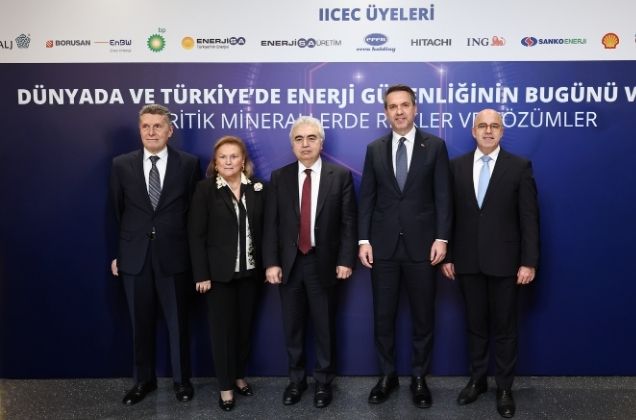
The 19th IICEC Conference, organized by Sabancı University's Istanbul International Center for Energy and Climate (IICEC), was held under the theme "The Present and Future of Energy Security in the World and Türkiye: Risks and Solutions in Critical Minerals." The conference, attended by the Minister of Energy and Natural Resources of the Republic of Türkiye, Dr. Alparslan Bayraktar, as the guest of honor, began with speeches by Güler Sabancı, Founding Chair of the Sabancı University Board of Trustees, and Dr. Fatih Birol, Executive Director of the International Energy Agency (IEA) and Honorary Chair of IICEC.
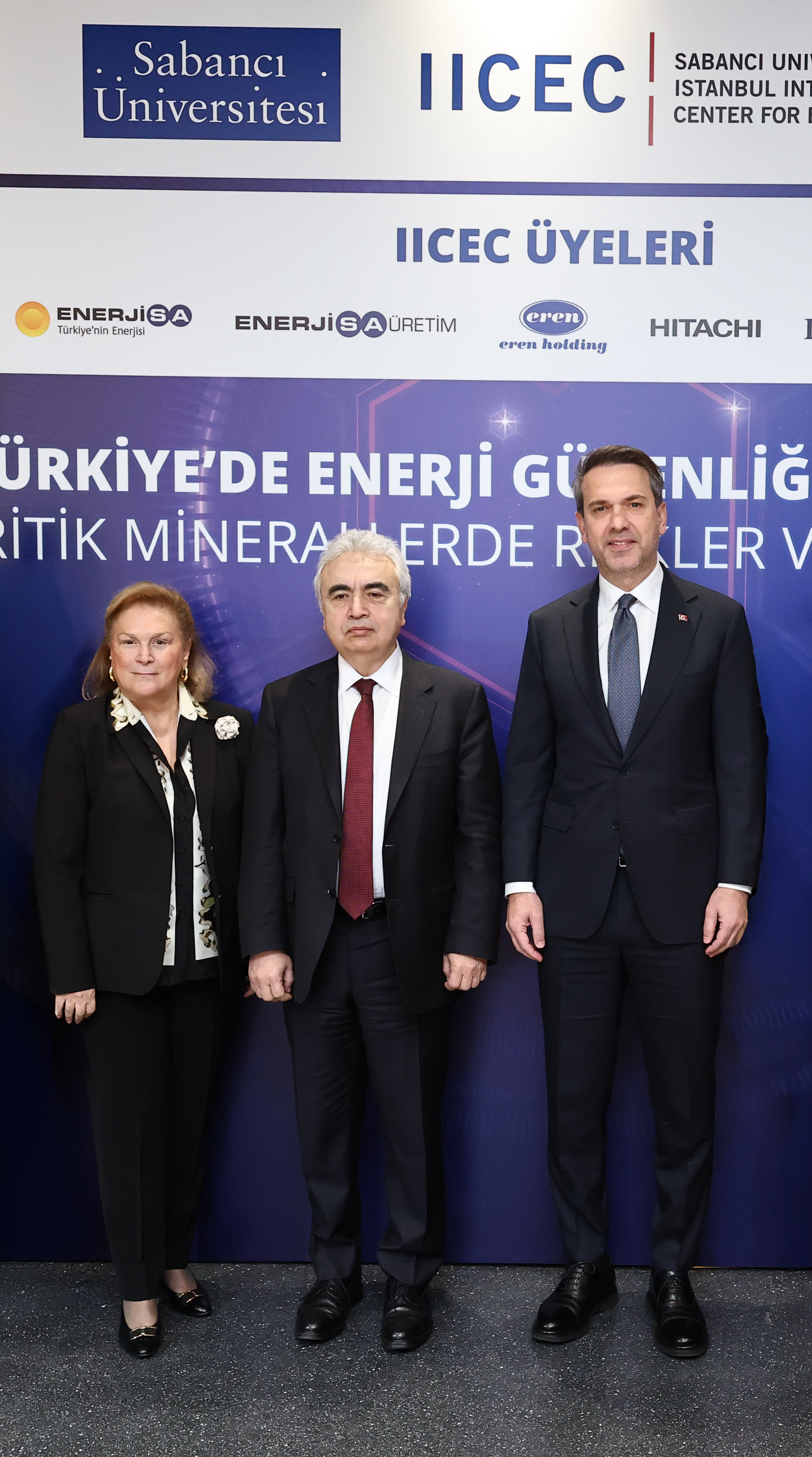
“Türkiye has entered a growth trajectory in terms of electricity targets”
The Minister of Energy and Natural Resources of the Republic of Türkiye, Dr. Alparslan Bayraktar, spoke at the conference about the Ministry of Energy and Natural Resources' targets for 2026 and beyond, and the projects planned within the scope of Türkiye's energy vision. In his speech, Minister Bayraktar drew attention to the fact that a period of even greater electricity demand has begun. Bayraktar stated: “Electricity demand in Türkiye will grow rapidly. To meet this increase, we will accelerate production and infrastructure investments within the framework of Türkiye's 'new energy architecture'. To reduce external dependence, we aim to meet the demand as much as possible with domestic resources. In this context, renewable energy stands out. We aim to increase the installed solar and wind power capacity to 120,000 MW by 2035. Türkiye has already entered a growth trajectory in terms of its targets for 2025. We will finish this year with over 8,000 MW in total, with approximately 6,000 MW of solar and 2,000 MW of wind. This is a very important development. The fact that we are heading towards the 120,000 MW target is very valuable. In 2026 and beyond, the most critical element of the new energy architecture will be strong infrastructure investments that will meet the increasing electricity demand in a healthy and sustainable way. We are entering a comprehensive investment period in both distribution networks and transmission. We are launching the Transmission 2.0 era with a high-capacity ‘electric highway’ approach that connects Türkiye from east to west and north to south. We aim to establish a strong and resilient electricity infrastructure.”
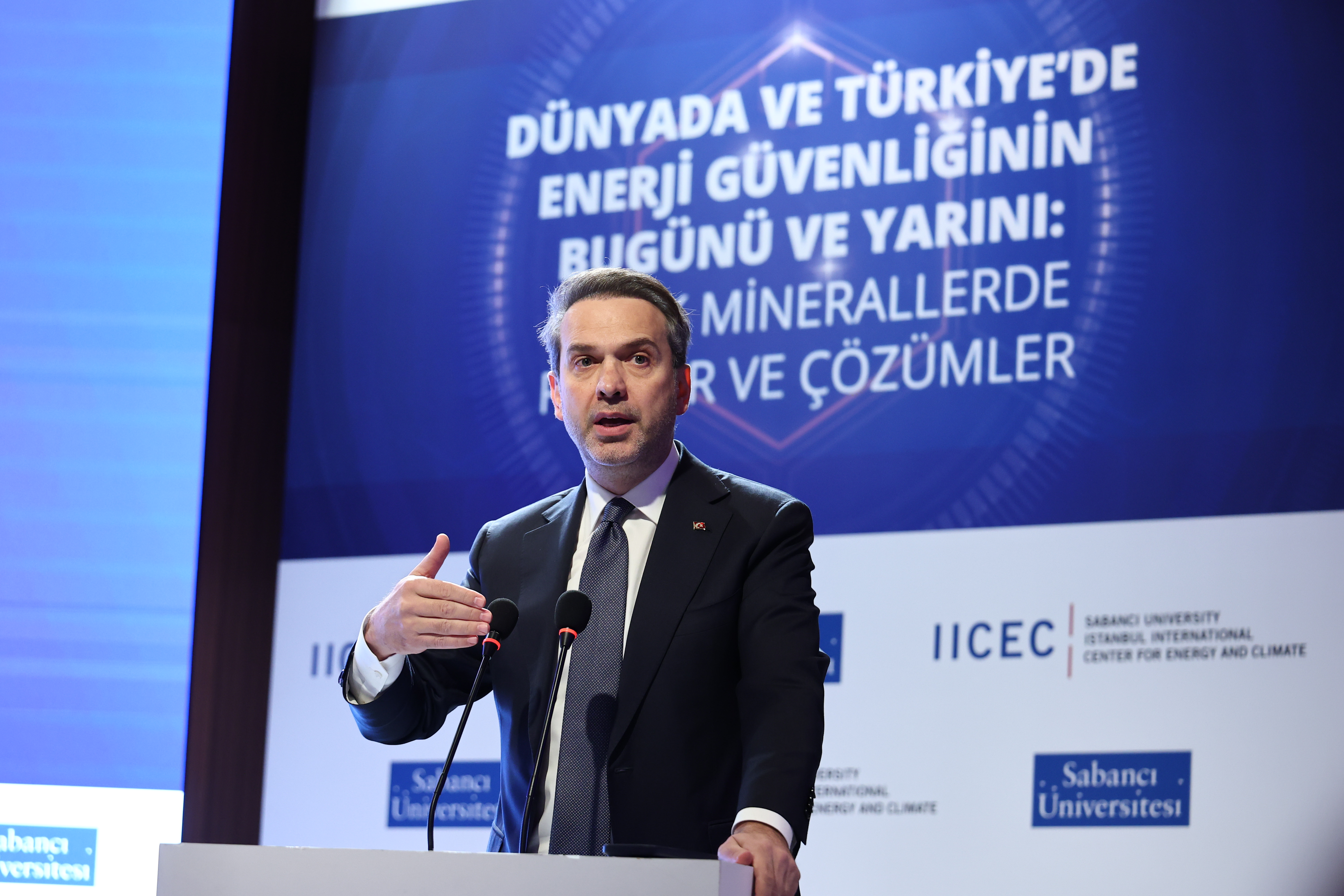
“2026 will be a threshold year for Türkiye to increase its weight in energy and mining”
Stating that they aim to bring Türkiye to a more effective position in electricity and gas trade, Minister Bayraktar said, “In oil and natural gas, we aim to create a stronger and more internationalized local structure that both increases domestic production and grows with overseas projects. In mining, we prioritize putting critical and strategic minerals at the service of energy transformation with an understanding that places people and the environment at the center and focuses on value-added production instead of raw material exports. We see 2026 as a threshold year in which both the concrete results of this transformation will be obtained and a new growth period will begin, and Türkiye will increase its weight in the energy and mining sector with strong financing and collaborations.”
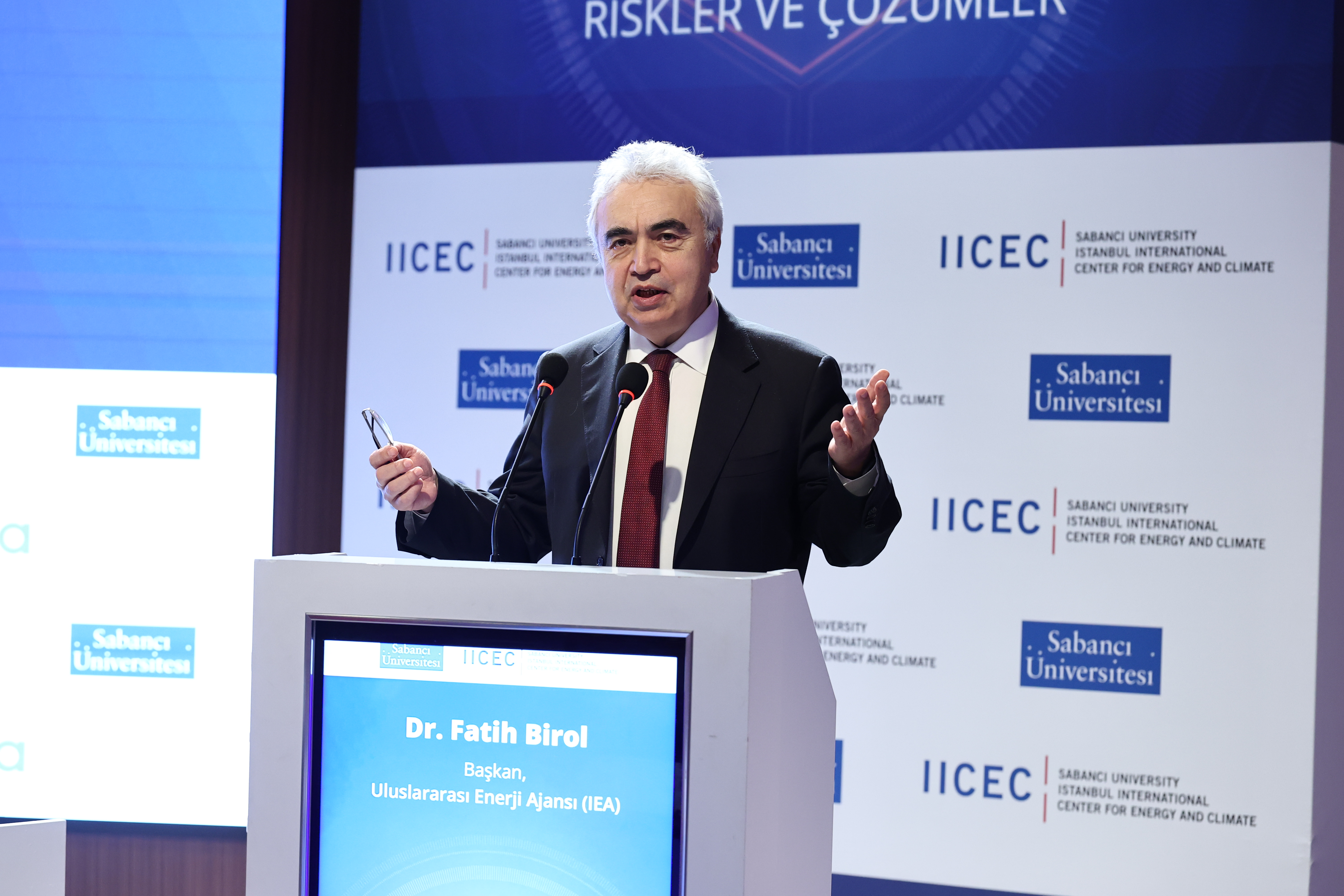
“Geopolitical factors have become increasingly decisive in the energy equation”
Dr. Fatih Birol, Executive Director of the International Energy Agency (IEA) and Honorary Chair of IICEC, noted at the conference that geopolitical factors have become increasingly decisive in the energy equation. Birol stated, “We are entering a period where oil supply is abundant and demand is slowing, particularly due to China. Increased production in five American countries, namely the US, Canada, Brazil, Argentina, and Guyana, has caused prices to fall from $80 to $60 in a year. These levels are expected to remain the same in 2026. The transportation sector alone accounts for 45% of oil consumption. While oil demand will continue until 2030-2040, electrification in the transportation sector will determine the period after that. In natural gas, unprecedented levels of new LNG capacity are coming into play. This is driving prices down while strengthening the hand of buyers. In coal, China accounts for 65% of global production, while others are experiencing a net downward trend. In the past 10 years, electricity demand has grown twice as fast as total energy demand. In the next 10 years, it will grow six times faster than total energy demand. Behind this growth are artificial intelligence data centers, the need for climate control, and electric vehicles.”
“Possibility of a Vulnerability Similar to the 1970s Oil Crisis in Critical Minerals”
Dr. Fatih Birol emphasized that a new era has begun in nuclear power on a global scale. Birol said, “In nuclear power, 2025 has become the peak year for production, as we predicted years ago. A strong return to nuclear power has taken place. Nuclear power is not a choice but a strategic necessity for Türkiye.” Highlighting the risks of high geographical concentration in critical minerals and the vital importance of these minerals for many strategic sectors as well as the energy sector, Dr. Birol stated that China's market share in rare earth elements is 92 percent, and even if all alternative refining projects are implemented, this rate can only decrease to 75 percent by 2035. Dr. Birol said, “We experienced the oil crisis in the 1970s. We cannot ignore the possibility of a similar vulnerability in critical minerals in the near future.”
“I see Türkiye hosting COP31 as an extremely critical opportunity.”
Dr. Fatih Birol drew attention to the importance of climate change in addition to all other issues, from energy security to electrification. Birol stated: “85% of emissions originate from the energy sector, and both the frequency and severity of disasters are increasing. However, climate is increasingly being pushed to the background on the agenda of world leaders. Therefore, I see this as an extremely critical opportunity to bring climate back to the top of the global agenda and to build a bridge between developed and developing countries in terms of financing.”
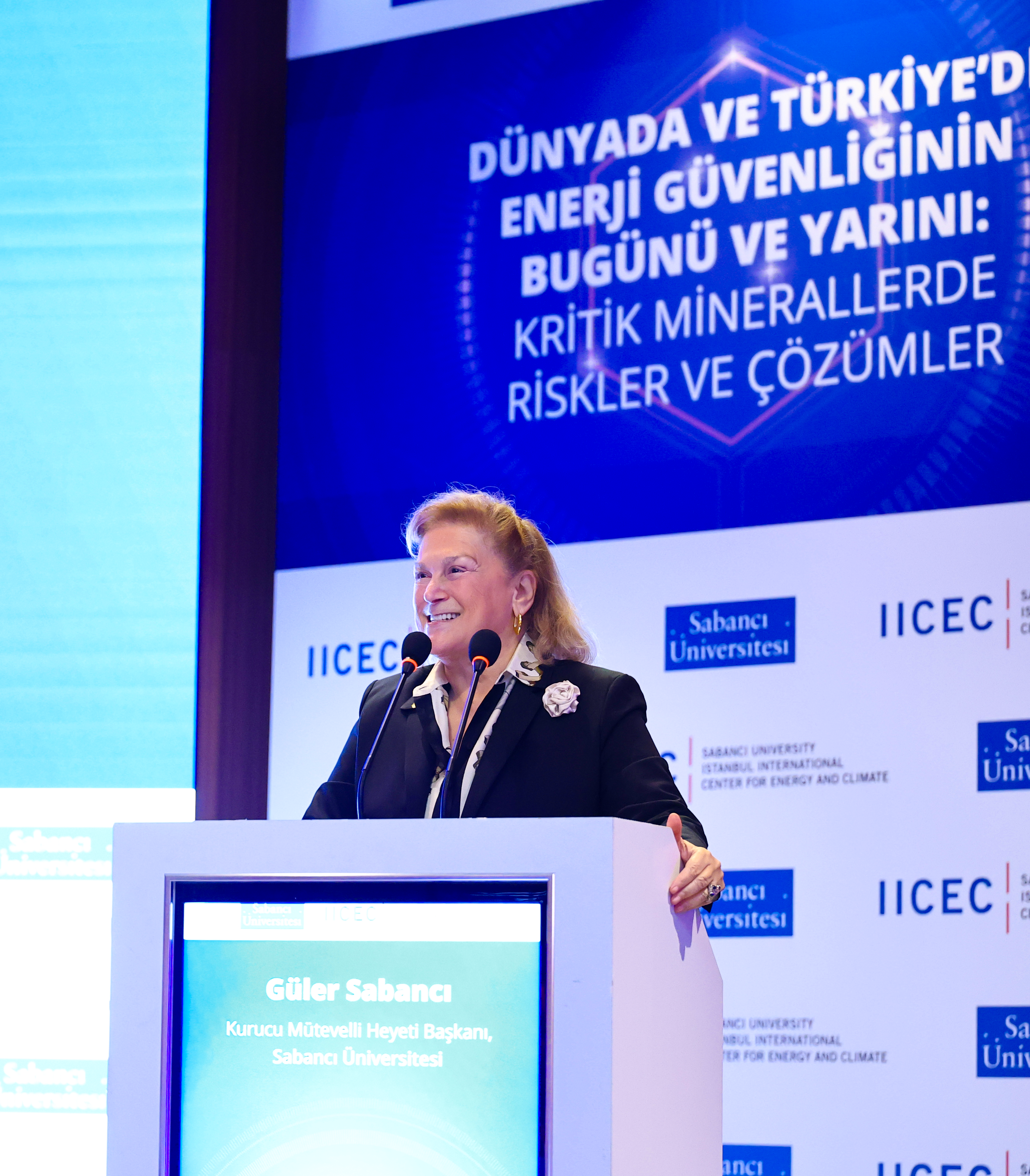
“Energy security has become an economic and national security issue”
In her opening speech at the conference, Güler Sabancı, Founding Chair of the Sabancı University Board of Trustees, stated that significant developments have been witnessed in the energy sector recently. Sabancı said, “The world's energy demand continues to rise. Energy security, however, is seriously affected by many factors such as geopolitical developments, trade dynamics, critical minerals, and the negative impacts of climate change. As a result of all this, energy security has now become an economic and national security issue. Important dynamics continue to unfold in the sub-sectors of energy, in fuels and technologies, and in the energy-climate relationship.”
“IICEC, which we established with collective wisdom, is a pioneering model and center in Türkiye.”
Highlighting Türkiye's strong position in energy globally and in Europe, Güler Sabancı said, “Our growth dynamics in energy are very strong. Our energy infrastructure is rapidly developing. We are among the top five in Europe in renewable energy. We are moving towards higher ranks with new investments. Steps are being taken in the development of energy technologies and supply chains.” Referring to the fact that IICEC publishes pioneering “energy outlook” studies in the sector every year, Güler Sabancı said, “IICEC also conducted the “Türkiye Critical Energy Minerals Outlook” study, again for the first time in Türkiye, with a participatory approach and collective wisdom, together with public, private sector and academic stakeholders. In this period where we are beginning to see the impact of artificial intelligence in every field; I find it very important to create value through collaborations between academia and the business world, based on science and collective wisdom. In this perspective, IICEC, which we established with collective wisdom by anticipating the future, is a pioneering model and center in Türkiye.”
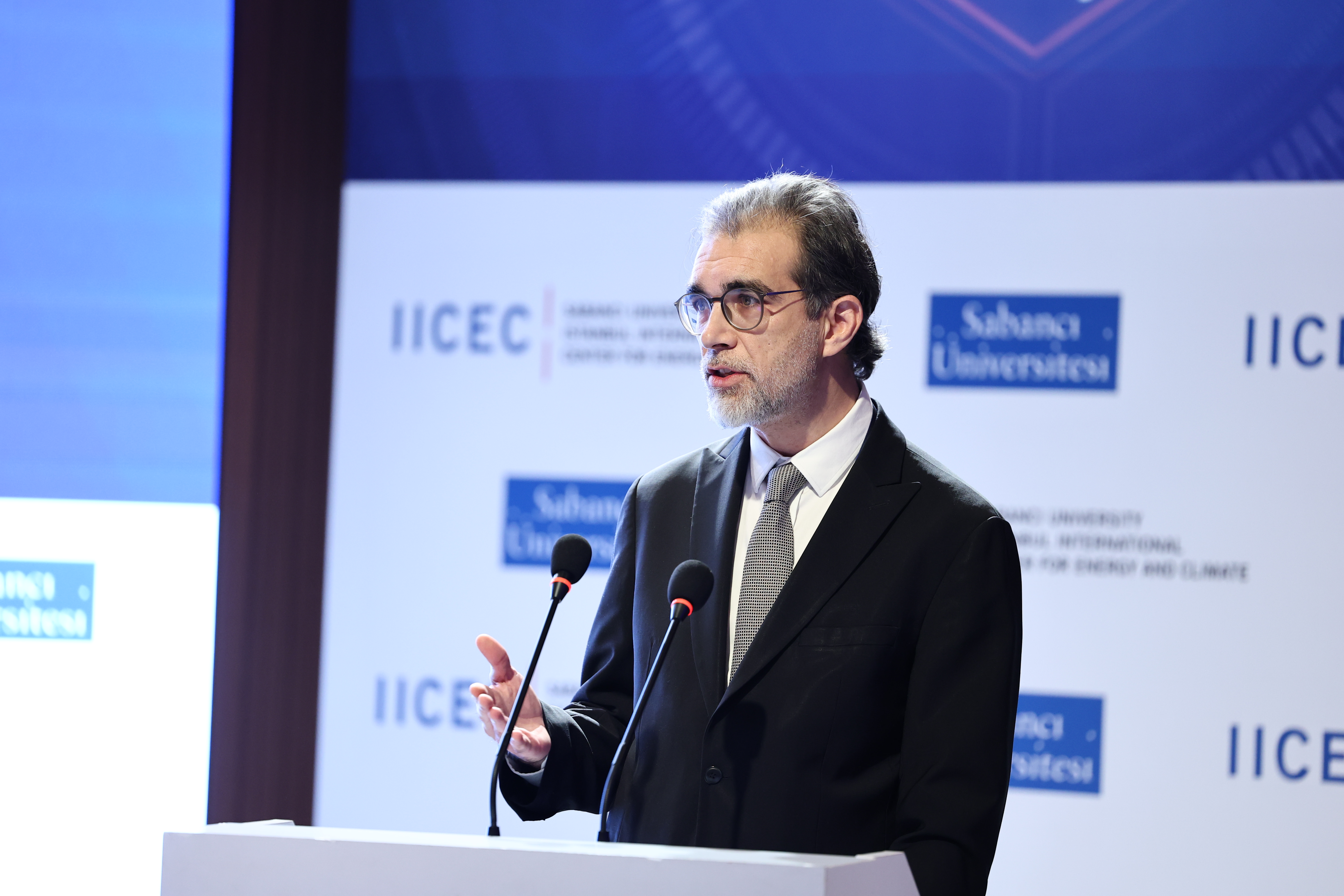
"Significant gains can be achieved by focusing on development, particularly in the refining of critical minerals and technological end products."
IICEC Director Bora Şekip Güray presented the "Türkiye Critical Energy Minerals Outlook 2025" report. Providing an analytical perspective on the risks and opportunities in Türkiye's critical energy mineral sector, the report offers concrete recommendations for areas of development. The report states that demand for important critical energy minerals could increase by 3 to 11 times by 2053, depending on the mineral type, driven by growth in clean electrification. In his presentation, Güray emphasized the importance of developing value-added and sustainable production and achieving technological transformation towards end products to ensure energy security, manage supply risks for other sectors, and capitalize on emerging opportunities. Güray stated that significant gains can be achieved by focusing on development, particularly in the refining of critical minerals and technological end products, and that international collaborations are also crucial.
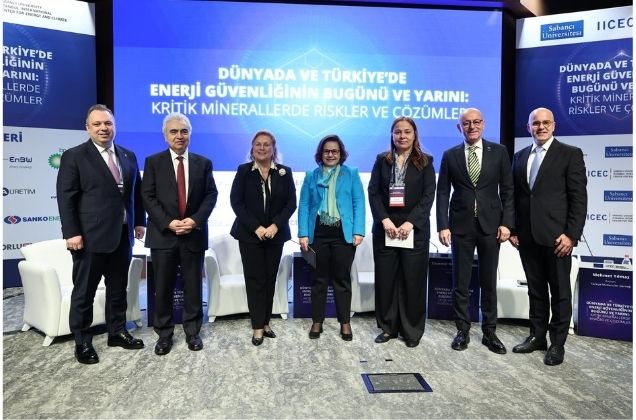
Risks and Solutions in Energy Security and Critical Minerals Panel
Presented by IICEC Coordinator Dr. Mehmet Doğan Üçok, the conference included a panel moderated by SOCAR Türkiye CEO Elchin Ibadov. Speakers included Turkish Deputy Minister of Foreign Affairs and Ambassador Ayşe Berris Ekinci, Chair of the Board of Directors of the Turkish Mining Association Mehmet Yılmaz, and Hitachi Türkiye Country Manager Yasemin Hoşder Öztekin. The panel thoroughly examined the evolving multifaceted dynamics in energy security, the closely inter-related developments in critical minerals and electrification, and their implications for diplomacy, industry, business, and technology. Among the future perspectives presented in the panel, a focus on human resources emerged as a critical success factor.